The Robert F. Tinker Fellows Program aims to promote innovation, creativity, and cross-disciplinary conversations. We’re thrilled to announce that two 2026 Tinker Fellows will focus on innovations in artificial intelligence (AI) to help transform teaching and learning.
- Amelia McNamara will explore how custom AI models can support teachers’ and students’ critical thinking and data science skills.
- Yizhu Gao will use AI and educational data mining techniques to study learners’ inquiry moves and link them to evidence of reasoning.
Amelia McNamara is an Associate Professor in the Department of Computer and Data Sciences at the University of St. Thomas in St. Paul, Minnesota, where her course titles have included everything from Data Communication and Visualization to Data Journalism, Introductory Statistics, and Applied Regression Analysis.
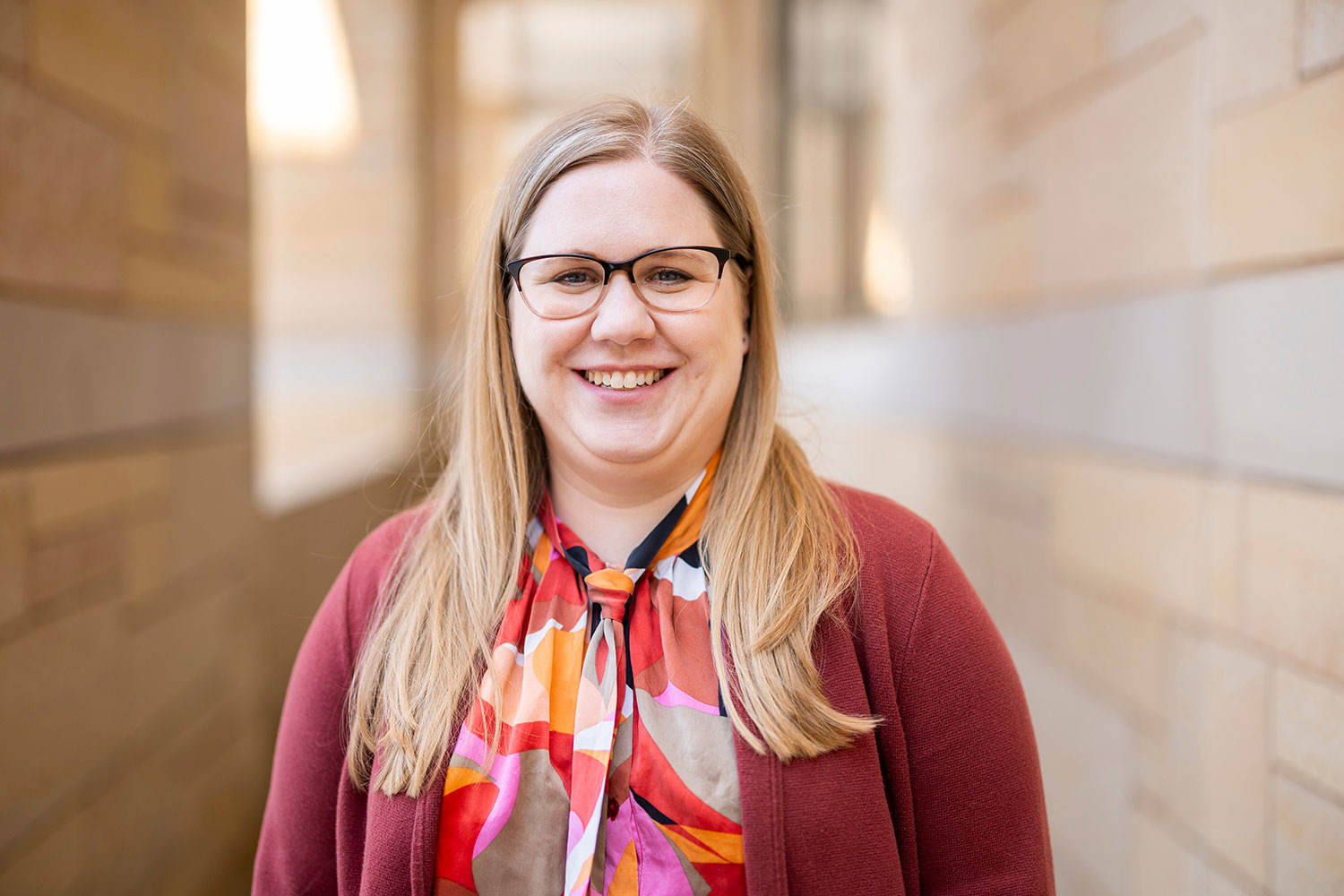
As a graduate student at UCLA, she got her first taste of developing a year-long high school data science curriculum and providing professional development for hundreds of high school teachers through a National Science Foundation project. The experience, she says, launched her love of learning sciences, in particular, how novices develop an understanding of data and statistics.
During her doctoral work, she spent significant time on TinkerPlots and Fathom, which she describes as “low-entry” statistical software tools. Around the same time, Amelia got connected to Bill Finzer, who was developing CODAP. Through that collaboration, she consulted for the Concord Consortium where she wrote two whitepapers–on data science moves and statistical simulations.
When asked about the role of AI in education, she admits she’s a skeptic. She believes that “education is at an inflection point because of the rise of AI.” While she worries that generative AI could threaten critical thinking skills, she’s equally optimistic about “making a case for the importance of human thinking and reasoning.”
During her Tinker Fellowship, she hopes to understand how AI affects the development of student thinking–and to begin to chart a course that strengthens students’ critical thinking capacities, especially with respect to data skills. She will work to explore how custom GPTs can support data science education while also helping to ensure CODAP’s accessibility.
Amelia will collaborate with Senior Scientist Dan Damelin, who leads the Data By Voice project, which is developing an AI assistant called DAVAI embedded into CODAP that aims to make data exploration more accessible for blind and low-vision students. She will also work with Kate Miller, Co-Principal Investigator at the Concord Consortium of the Leaders in Education to Advance Data Science (LEADS) project that is developing leadership and data science education skills through a master’s plus program.
Yizhu Gao is an Assistant Professor of AI and Science Education in the Department of Mathematics, Science, and Social Studies Education at the University of Georgia, Athens.
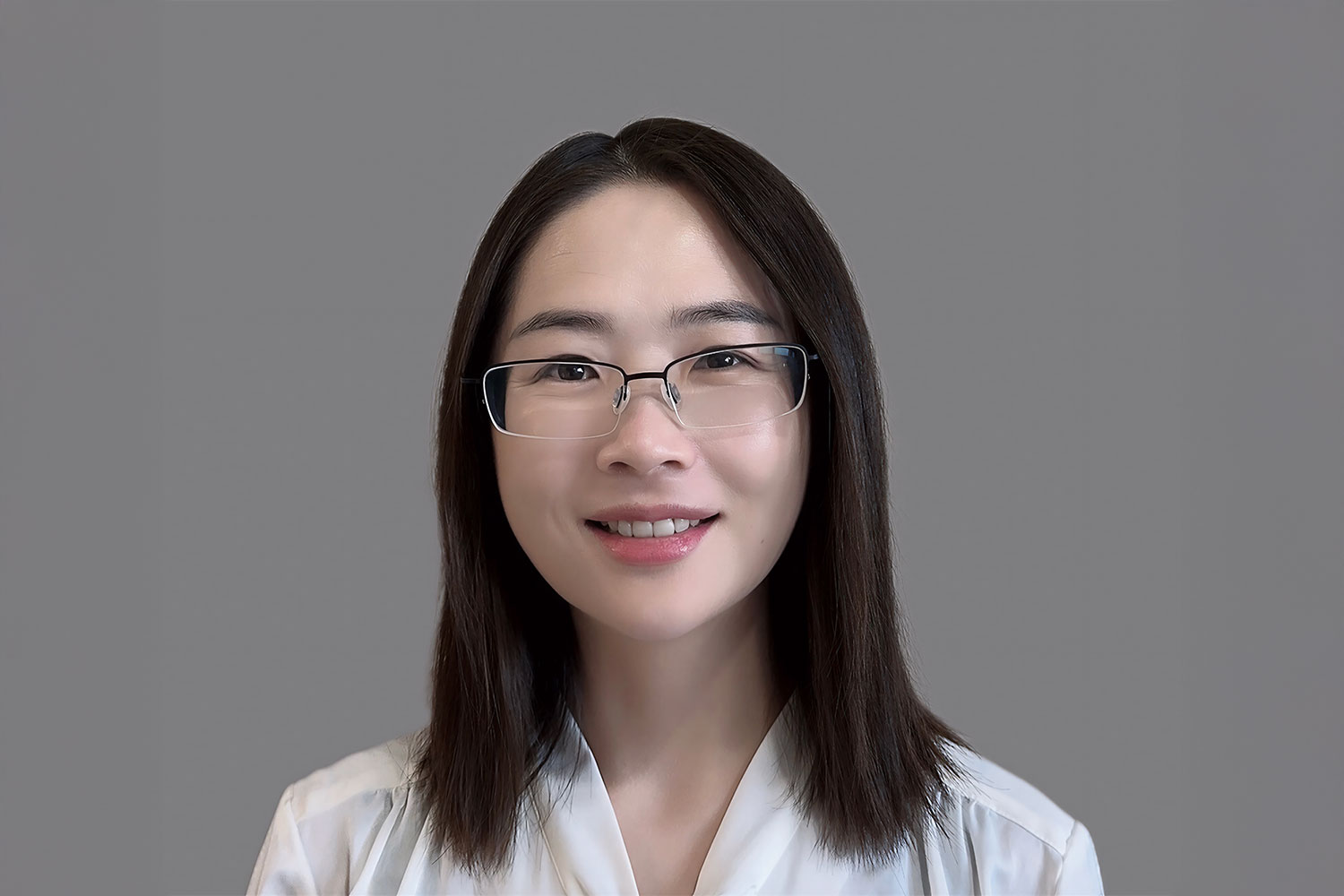
Yizhu uses Concord Consortium’s simulation-based activities in both her teaching and research. The simulations, she says, serve as “examples of inquiry-based, interactive learning environments” for her preservice science teachers. In her graduate-level educational data mining and machine learning courses, she highlights the multimodal data these simulation tasks produce—such as action sequences, time-stamped logs, and written explanations—to connect multimodal data analysis to learning theory and assessment claims.
Yizhu is excited about the state of education today, including the “growing opportunity to design learning environments that are both authentic and adaptive.” She wants students to engage in the sense-making, scientific investigation, and argumentation that scientists and engineers do, and is especially excited about “approaches that treat technology not as a shortcut, but as a cognitive partner—one that prompts explanation, critique, and argumentation to deepen understanding.”
Fascinated by a common STEM challenge—students can answer questions correctly while still holding fragile understanding or misunderstandings—she was trained in educational measurement and data science. She was especially drawn to approaches that make students’ thinking visible and generate evidence teachers can use. With the growth of digital, data-rich learning environments, her work expanded into learning analytics and machine learning.
Now, using AI and educational data mining techniques, she’s able to analyze multimodal data to build interpretable metrics of learning. Her goal is “to translate those metrics into explainable, actionable support—personalized feedback for students and timely signals that help teachers intervene effectively.”
As a Tinker Fellow, she will work with Hee-Sun Lee, Principal Investigator of the ISLAND project, to develop multimodal analyses for the simulations in the Wildfire Risks & Impacts module. She plans to apply process data mining and learning analytics to simulation interaction traces to help her identify strategy patterns, detect productive struggle, and link learners’ inquiry moves to evidence of reasoning—just like the logic puzzles she enjoys in her free time.