Category: 2026
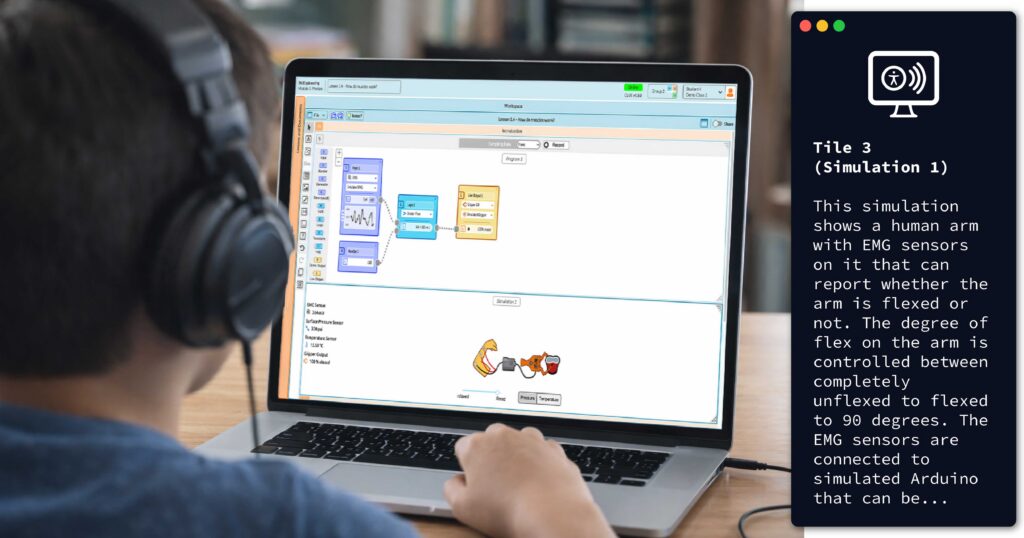
As we enhance the accessibility of our inquiry-based STEM simulations and integrate generative AI into our learning platforms, we’re constantly evaluating and leveraging emerging technologies to improve teaching and learning. Recent work has led to an exciting convergence and potentially transformative insight surrounding these two goals. The representations needed for a large language model (LLM) […]

The Concord Consortium has developed hundreds of STEM simulations to engage students in the NGSS science and engineering practices—from asking questions and defining problems to developing and using models, planning and carrying out investigations, and analyzing and interpreting data. These simulations—covering everything from genetics to plate tectonics, diffusion, protein folding, the underpinnings of AI, and […]
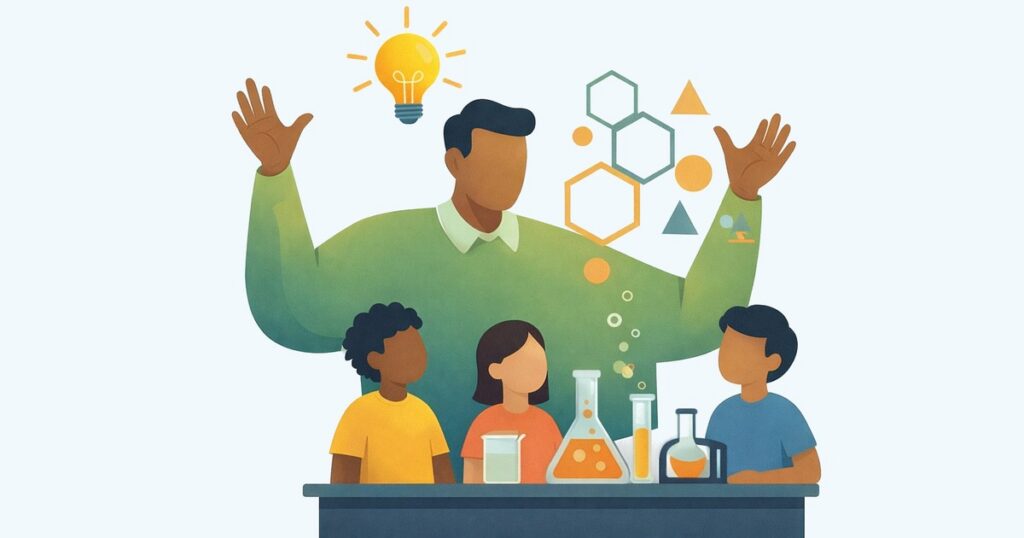
As part of our YouthQuake project, funded by the National Science Foundation, we developed a five-activity online module that guides students through a series of investigations of earthquake risks and hazards. In addition to investigating the science of earthquakes and how to develop block coding to model land movement, students learn about related careers as […]
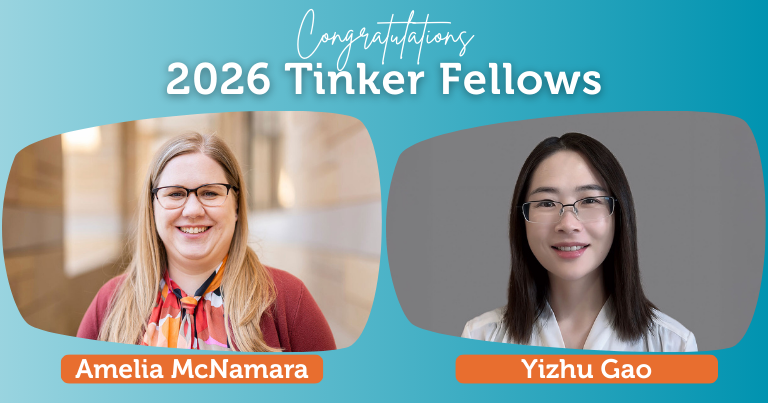
The Robert F. Tinker Fellows Program aims to promote innovation, creativity, and cross-disciplinary conversations. We’re thrilled to announce that two 2026 Tinker Fellows will focus on innovations in artificial intelligence (AI) to help transform teaching and learning. Amelia McNamara will explore how custom AI models can support teachers’ and students’ critical thinking and data science […]

Want to introduce data science with CODAP to your middle and high school students? Through a partnership with Bootstrap, you can get started with a free web-based set of materials. Developed by the Bootstrap team, the Data Literacy curriculum is a comprehensive, flexible data literacy course designed for students in grades 7-9 that uses CODAP […]

This week, a major snowstorm stretching from Texas to Maine is forecasted to affect millions of people. Many people throughout the U.S. now face the same questions. Do I have time to run to the store for more groceries before the heaviest snow is going to fall? Is school going to be delayed or canceled? […]