Our Projects
-
CLEAR
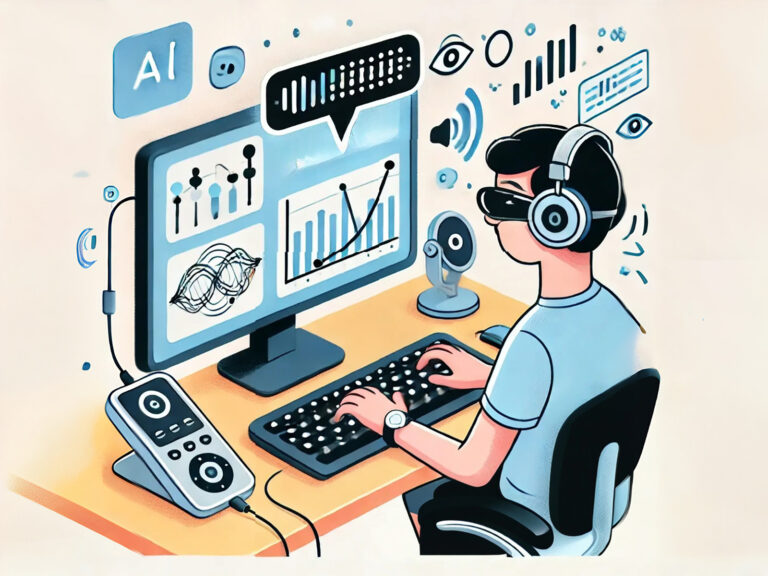
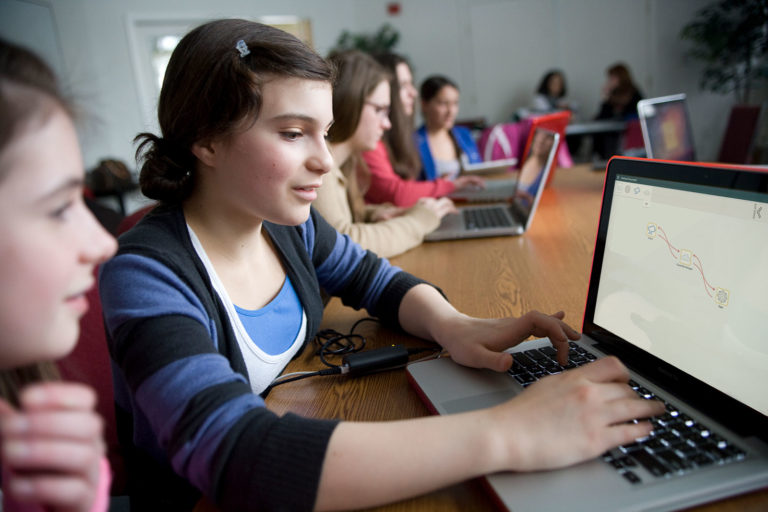
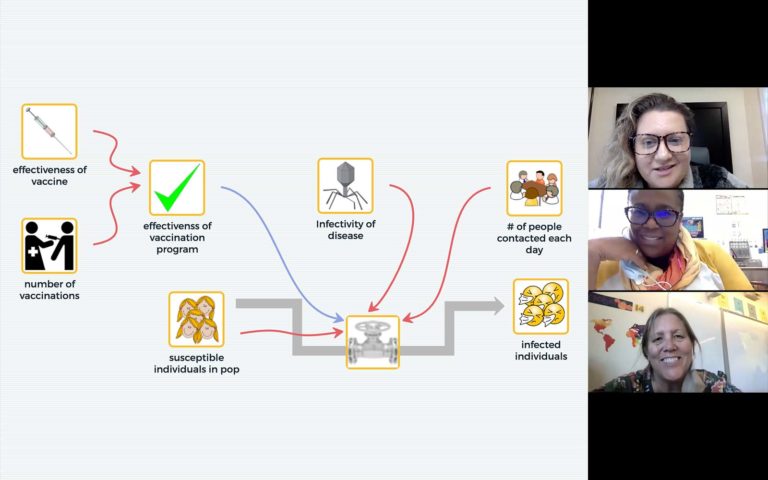
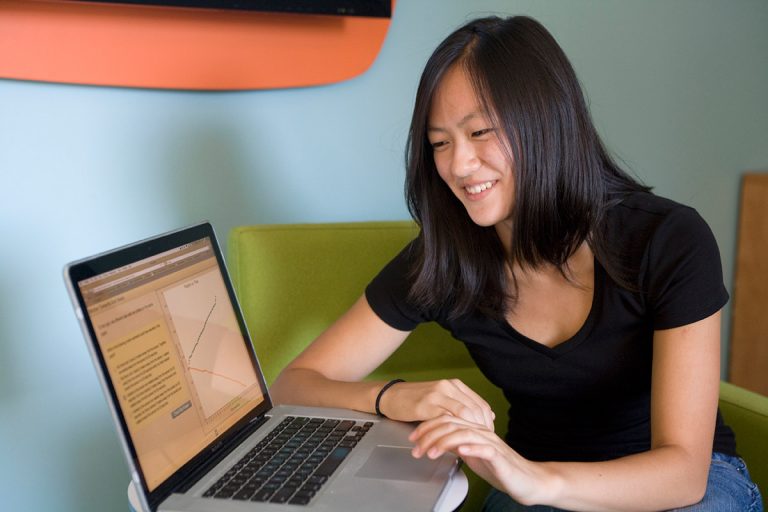
CLEAR is a collaboration with UC Berkeley and the University of Toronto. CLEAR is building embedded assessments and new systems dynamics diagramming technology to explore cumulative learning about energy concepts in middle school.
-
The Concord Consortium Collection
We're cataloging hundreds of interactive resources we've developed over the past 15 years and will share the Concord Consortium Collection with the National Science Digital Library (NSDL) – so you can easily find what you need and use it with your students in your next class.
-
Constructive Chemistry
We will collaborate with Bowling Green State University and Dakota County Technical College to pilot test the idea of "Constructive Chemistry" of challenging college students to design their own molecular simulations and learn chemistry from such practices.
Electron Technologies
This project engages students with advanced computational models of electron behavior to build the fundamental understandings they need for careers in areas such as nanotechnology, photonics, and materials science.
Engineering Energy Efficiency
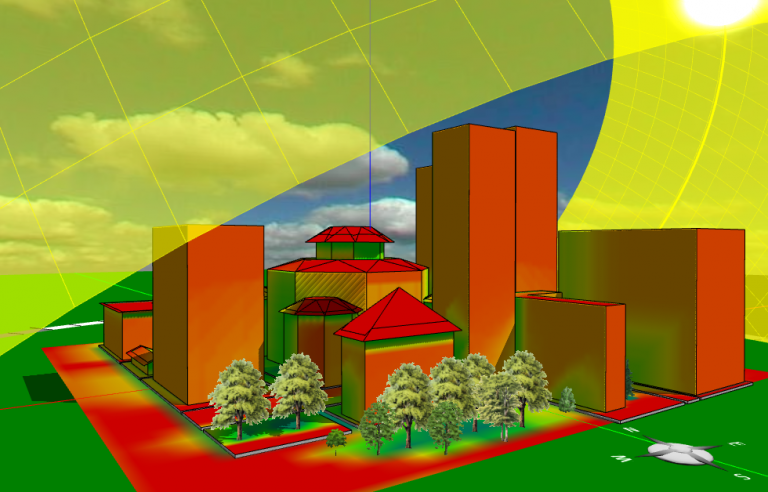
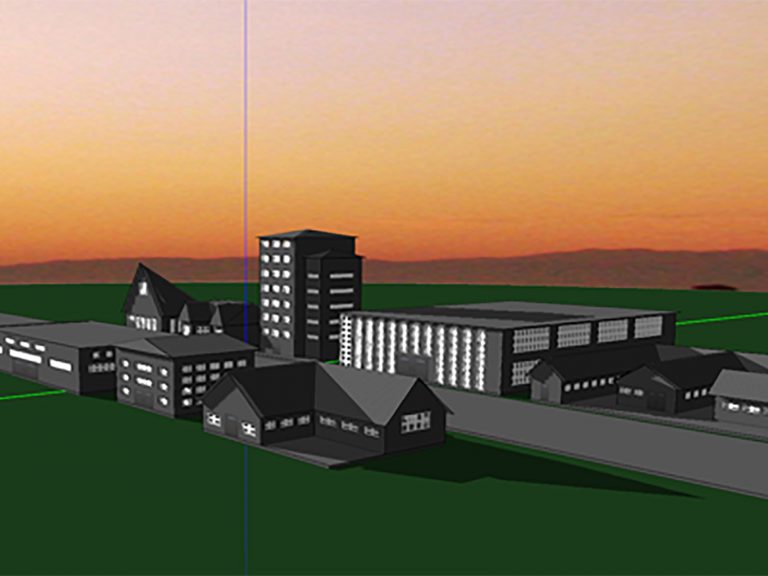
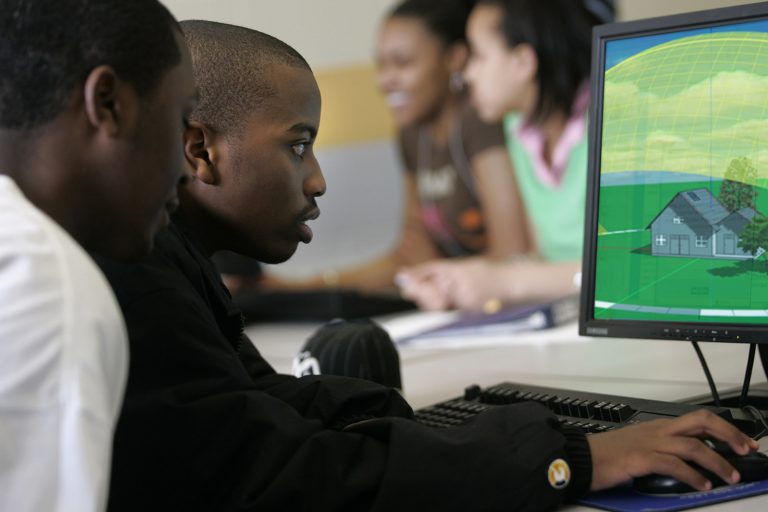
This project investigates the educational value of computational models and simulations within the design process. Students design and build an energy-efficient scale-model solar house with the aid of simulations and probeware.
-
Evolution Readiness
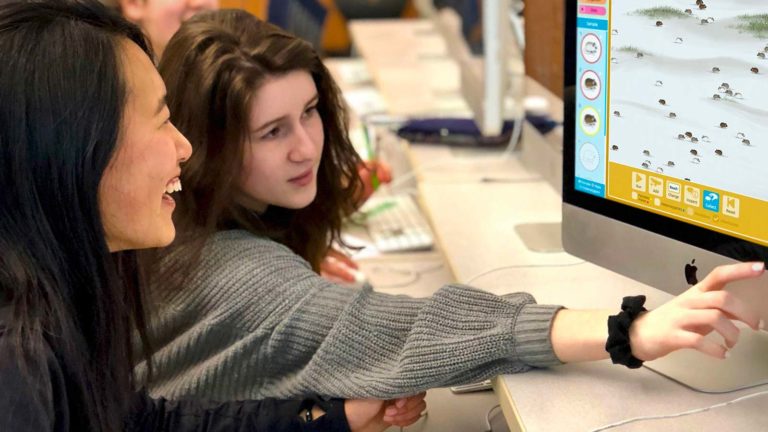
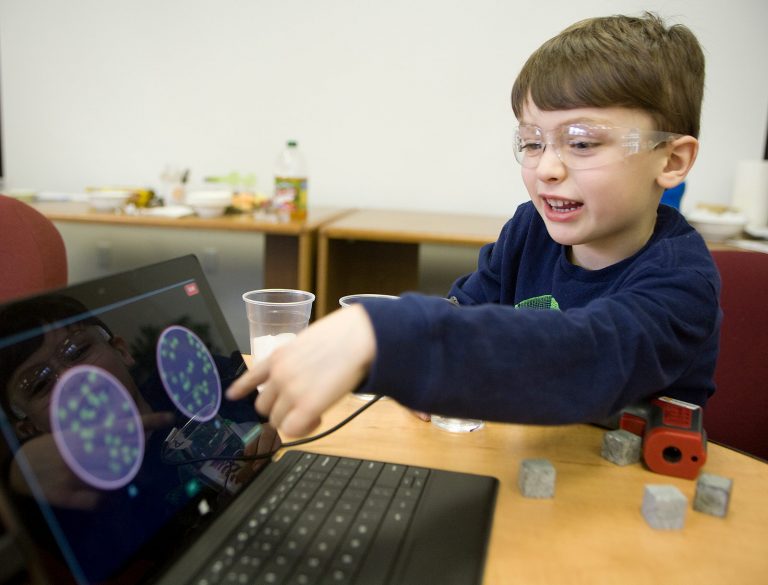
Fourth-grade students learn Darwin's model of natural selection using computer-based models depicting interacting organisms and their environments. Curricular activities involve formative assessment, labs and multimedia materials.
-
GENIQUEST
GENIQUEST brings current bioinformatics concepts and research techniques to secondary science students by integrating innovative approaches in science instruction, data sets, genetics research knowledge and a robust genetics modeling environment.
-
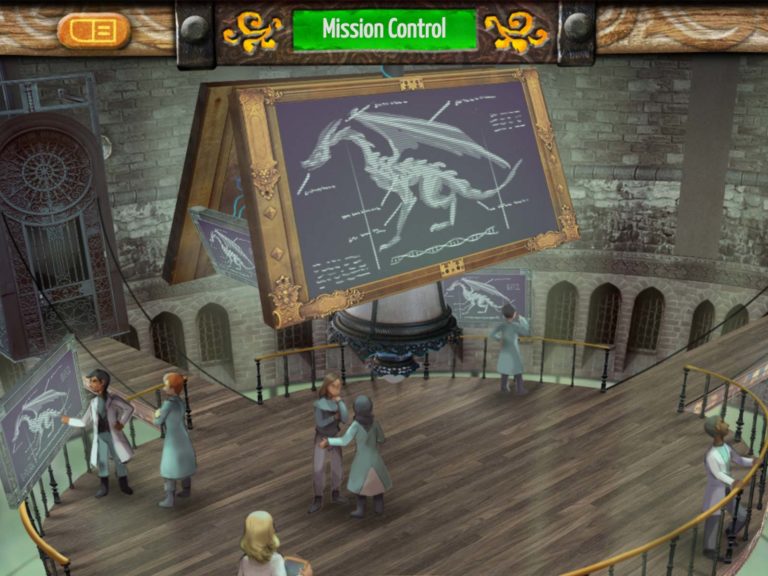
Geniverse
Geniverse studies the feasibility of engaging students in an environment where they can learn firsthand how science knowledge develops in the fields of bioinformatics and DNA science.
-
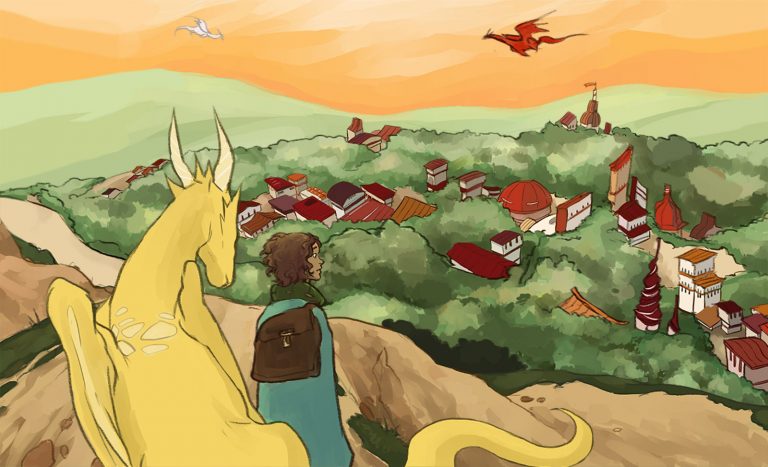
GeniVille
Can the intersection of school and social media transform STEM learning? With funding from the National Science Foundation, our Geniverse genetics software and the Whyville virtual world are teaming up to explore this question.
-
Graph Literacy
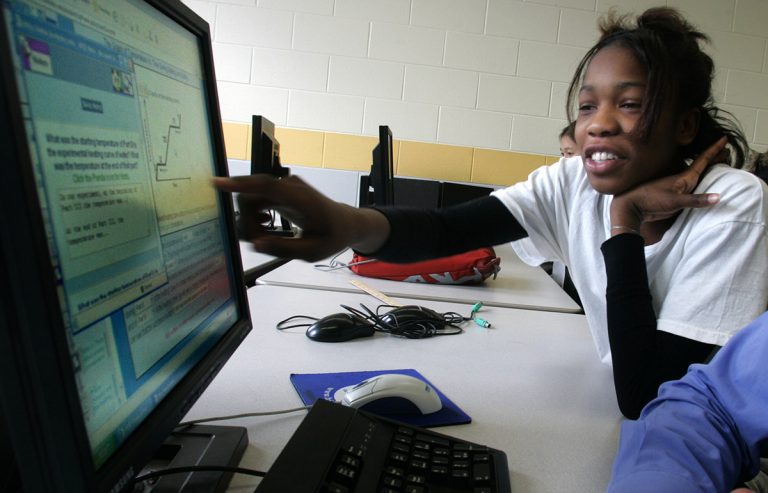
Graph literacy is the ability to identify the important features of a wide variety of graphs and relate those features to the context of the graphs—in other words, to increase students' understanding of the meaning of graphs.
-
High-Adventure Science
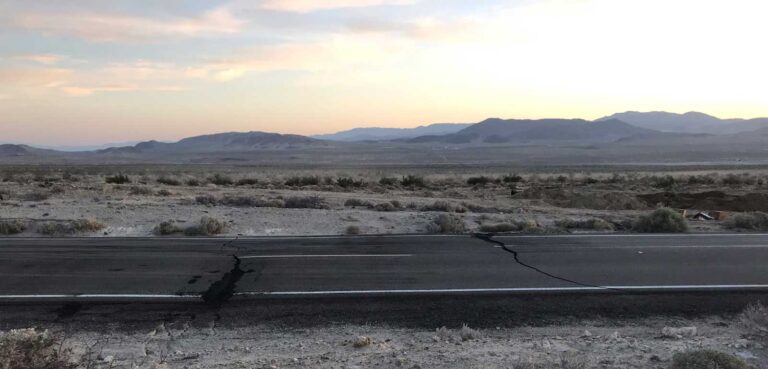
This project injects contemporary Earth and Space science into the classroom, engaging students in important unanswered questions that scientists around the world are actively exploring.
-
InquirySpace
Students should learn science by doing science. They should select their own question, design and execute a study, draw conclusions based on their data and communicate their findings. InquirySpace provides ideas, approaches, and technologies to make this approach to learning easier for classroom teachers to offer—and more effective.
ITSI
This project prepares middle and high school students for careers in information technologies by providing their teachers with exciting, inquiry-based science projects involving computational models and real-time data acquisition.
ITSI-SU
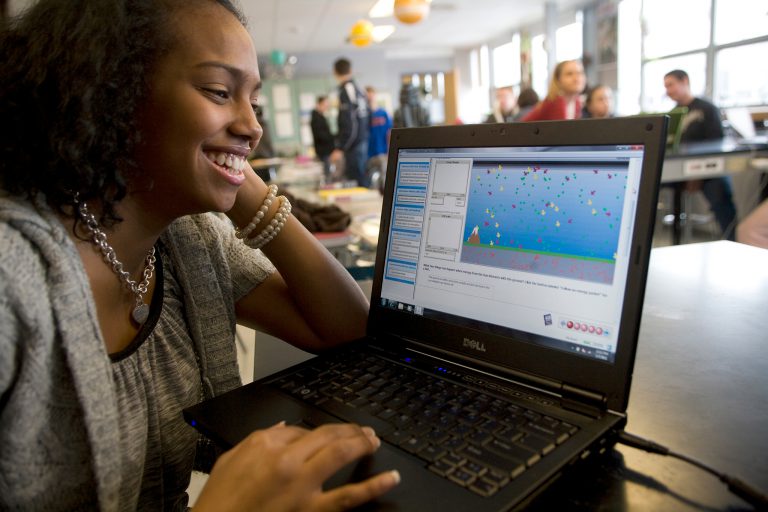
A scale up of the highly successful ITSI project, this project will reach a greater number of elementary, middle and high school science teachers, engaging more students in inquiry-based science projects using computational models and real-time data acquisition.
-
LOOPS
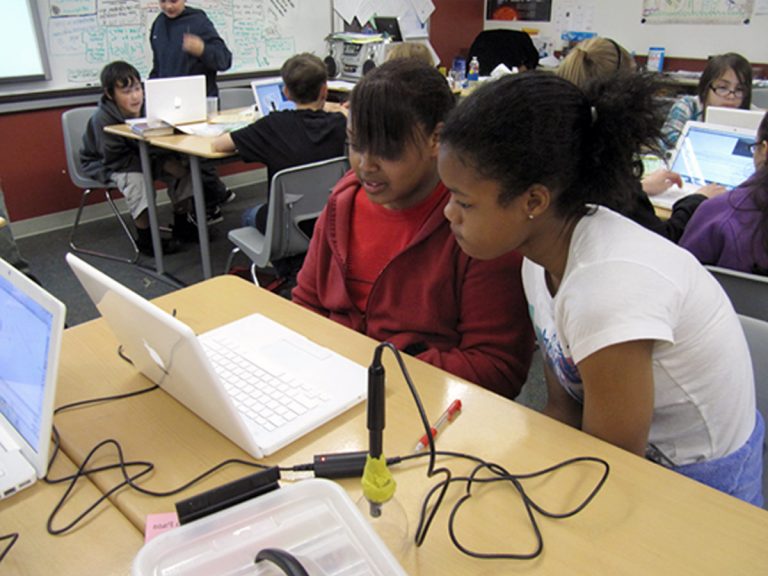
Innovative technology provides data to teachers about student progress and actions to permit them to make better-informed teaching decisions. The LOOPS Technology fosters student collaboration and provides real-time student reports as powerful formative assessment.
-
Mixed-Reality Labs
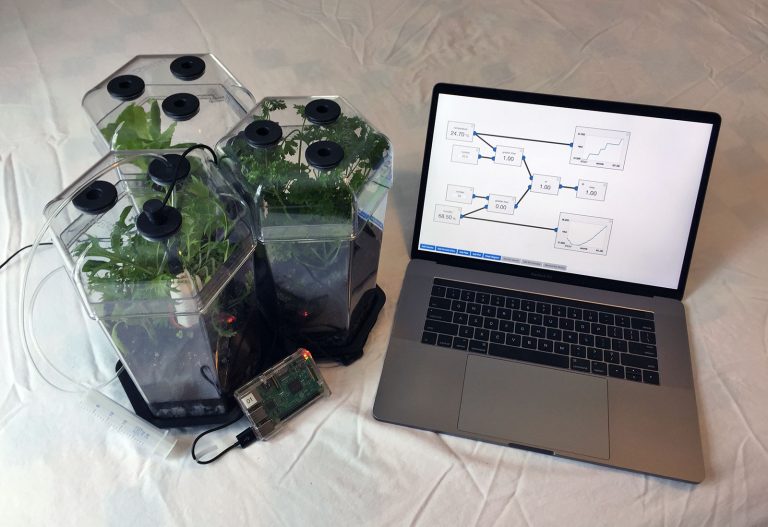
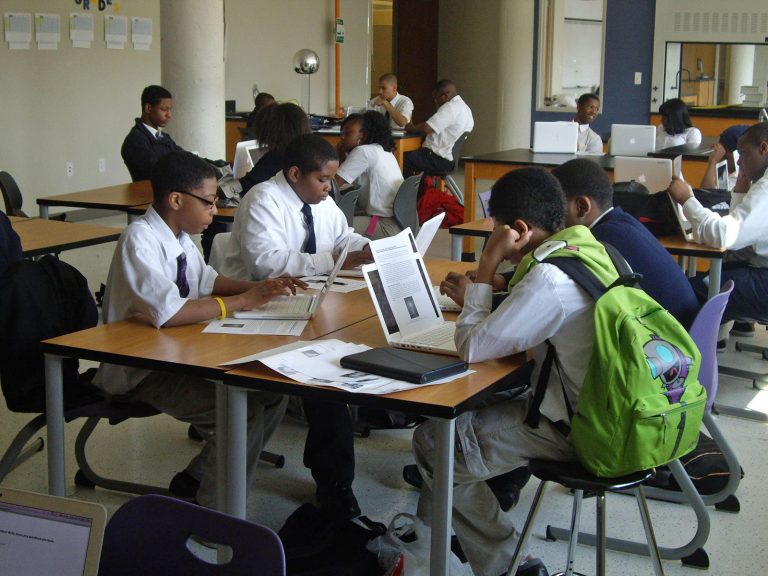
This project explores innovative technologies connecting the real and virtual worlds to accelerate and deepen student learning. We're integrating sensors and simulations and developing powerful mixed-reality environments for supporting scientific inquiry and engineering design.
-
Molecular Workbench
This project developed the open source Molecular Workbench, a flexible modeling system based on molecular dynamics that includes its own browser and activity authoring environment that has been used to create hundreds of activities.
Next-Generation Molecular Workbench
Molecular Workbench is already one of the most versatile ways to experience the science of atoms and molecules. Now thanks to Google's generosity and the power of HTML5, we're bringing it to Web browsers everywhere.
-
RITES
This major initiative headed by the University of Rhode Island will expand to provide technology and professional development for inquiry-based curriculum involving probes and models to all Rhode Island middle and secondary schools by 2013.
-
RI-ITEST
This project supplies curriculum involving sophisticated computational models to schools in Rhode Island, preparing students for careers in information technologies and providing teacher professional development about inquiry-based use of computational models.
-
Sensing Science
Sensing Science will test the hypothesis that representations, data collection and student reflection integrated into creative exploration can make learning about temperature and heat accessible to early elementary students.
-
SmartGraphs
Creating digital SmartGraphs that "know" about themselves and provide scaffolding to students to help them learn. Software will automatically analyze graphs to recognize features and engage students in conversations to instruct and assess.
-
SPARKS
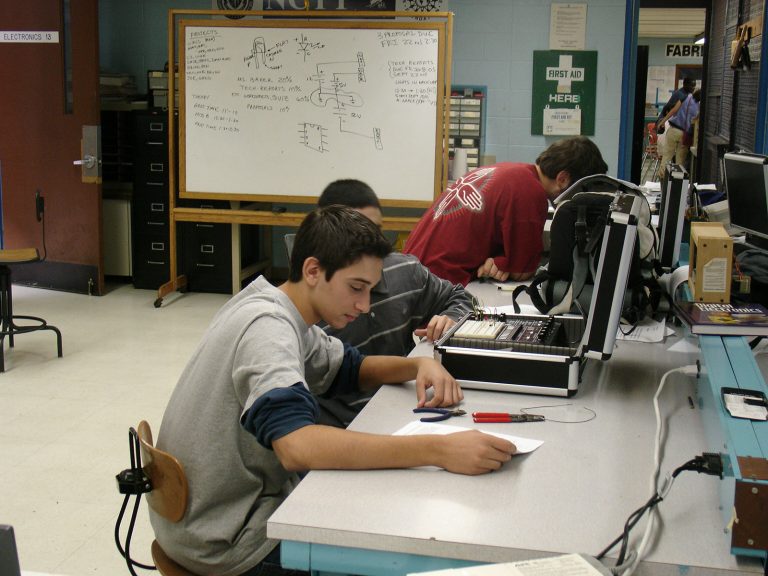
A sequence of formative assessments based on simulations of electronic circuits and test equipment helps college students receive instant, tailored feedback based on their interactions with a computational electronics simulation.
-
UDL
Principles from Universal Design for Learning (UDL) undergird curriculum modules for the elementary inclusive classroom and bring inquiry science learning involving probes, sensors and computational models to students in grades 3-6.
-
VISUAL
A thorough and thoughtful set of experiments elucidates research about how students learn from dynamic visualizations and provides guidance about how best to use visualizations for learning and assessment.
Beacon International Neighborhood
Beacon International Neighborhood was a web-based curriculum project that linked grade school students in the study of sustainable development and the creation of a virtual learning neighborhood.
-
Biologica
The BioLogica project developed BioLogica, a computer model of genetics at multiple levels from molecules to populations.
Building Bridges for Sustainability Education
Concord's Center for Sustainable Futures (CSF) worked with educators in Central Europe to integrate sustainability education into curricula materials
-
Calipers
Calipers was a project that developed computer models that were used as part of computer-based assessment.
CAPTIC
Delivered online professional development for educators throughout Peru focused on project-based science.
-
CC ATOMS
This project added energy-conserving chemical reactions to the Molecular Workbench, so that chemical reactions and intermediates could be modeled accurately.
-
CILT
As one of several founders of CILT, the Center for Innovative Learning Technologies (CILT), Concord stimulated research and development of educational uses of hand held computers and probeware.
CONGENIA
This project provided a blend of online and face-to-face professional development throughout Colombia to build communities of learners among students and communities of practice among teachers.
-
Data and Models
To explore the interplay of computer models and data obtained from probes, this project developed and tested a series of activities around heat radiation, convection, and small and large-scale atmospheric physics?
Education for a Sustainable Future Project
This project worked with Cobb County Georgia schools to provide professional development and to develop a wide range of computer-based substitution modules focused on sustainable development education across grades and topics.
The Exploratorium Networking Project
With the Exploratorium, this project pioneered the idea of enhancing and extending a museum visitor's experience by providing handheld computers that communicate with the museum's interactive exhibits over wireless networks.
-
GenScope
GenScope created a manipulable model of genetics that has been used successfully to teach genetics in middle school, high school, and college. GenScope research led to the development of BioLogica.
-
Hands On Molecular Science
Hands on Molecular Science was a research study that explored a number of technologies that were designed to help build student intuitions of the atomic-scale and led to the development of the Molecular Workbench.
Hands On Physics
Hands On Physics is a curriculum that pioneered the idea of offering a project-based approach to learning physics online.
-
Haze-SPAN
Atmospheric haze is difficult for scientists to measure over land, so we created an inexpensive haze sensor and set up a network of students to measure haze levels and share their results online as part of a curriculum module on air quality.
INTEC
In 1995, INTEC was the first web-based online professional development program. It provided an intensive course on using student inquiry in secondary math and science teaching.
Jason Academy Project
Concord helped the Jason Academy to integrate probeware into their online professional development programs for middle-school science teachers.
-
Mobile Inquiry Technology
Mobile Inquiry Technology developed some of the first activities using portable computers and probeware with grade school level math and science curriculum materials.
-
Modeling Across the Curriculum
This project studied the longitudinal impact of models in secondary science by providing two modeling activities a year and logging student actions.
-
Molecular Literacy
This project created activities using the Molecular Workbench for career-oriented students in grades 10-14. The activities were designed to provide a molecular-level understanding of common lab procedures.
-
Molecular Logic
In response to the increasing importance of molecular biology, this project created guided explorations of dozens of atomic and molecular computational models of important biological systems.
-
Molecular Rover
This project developed software that permits students to zoom around complex molecules and used this capacity to develop biology curriculum modules for secondary level students.
-
MTV
Making Thinking Visible explored having student collaborate online about plate tectonic activity in their respective locations.
-
Playspace
Studied the education use of games and produced a report that included a review of relevant literature, lessons learned from our product review and observations of children using a variety of multi-cultiral, digital playful environments.
-
SAM
Providing 24 research-based, field-tested activities for physics, chemistry, and biology involving interactive models and simulations, all including extensive teacher guides and reporting about student progress.
-
Seeing Math
This project provided state-of-the-art online professional development in algebra for upper elementary and middle school teachers using video case studies, and open source software tools.
SLIC
Science Learning in Context explored the educational gains possible from using portable computers and probes for student explorations outside the classroom.
Sustainable Development Extension Network
The SDEN was created to provide an integrated extension network to give communities better access to information about best practices in sustainable development.
-
TEEMSS II
This extension of the TEEMSS project created, tested, and disseminated extensive computer-based materials and teacher professional development for a wide range of elementary STEM topics using the widest range of commercial probeware, computers, and hand-helds.
-
TEEMS
This project was developed and studied innovative probes and interfaces at the elementary level that could be used with handheld and full-sized computers in support of increased hands-on experimentation.
TELS
Concord co-founded the TELS Center, to promote research on the use of computers in science and to provide a technological infrastructure that can author and support research using computer-based student learning activities.
Virtual High School
This project pioneered the idea of online courses using a membership model that involves teaching teachers online to create and deliver online courses. The VHS was split off as a separate nonprofit to focus on delivering the best online courses.
| Project Name | Status |
|---|---|
| Biologica | Archived |
| Calipers | Archived |
| CAPA | Archived |
| CC ATOMS | Archived |
| CILT | Archived |
| CLEAR | Active |
| Constructive Chemistry | Active |
| Data Models | Archived |
| Electron Technologies | Active |
| Engineering Energy Efficiency | Active |
| Evolution Readiness | Active |
| GENIQUEST | Active |
| Geniverse | Active |
| GeniVille | Active |
| Genome Dynamics | Archived |
| GenScope | Archived |
| Graph Literacy | Active |
| HAZE-SPAN | Archived |
| High-Adventure Science | Active |
| HOMS | Archived |
| HOP | Archived |
| InquirySpace | Active |
| INTEC | Archived |
| ITSI | Active |
| ITSI-SU | Active |
| LOOPS | Active |
| MAC | Archived |
| MIT | Archived |
| Mixed-Reality Labs | Active |
| Molecular Rover | Archived |
| Molecular Workbench | Active |
| MOLIT | Archived |
| MOLO | Archived |
| MOLO | Archived |
| MTV | Archived |
| NetAdventure | Archived |
| Next-Generation Molecular Workbench | Active |
| Playspace | Archived |
| RI-ITEST | Active |
| RITES | Active |
| Science of Atoms and Molecules | Archived |
| Seeing Math | Archived |
| Sensing Science | Active |
| SLIC | Archived |
| SmartGraphs | Active |
| SPARKS | Active |
| TEEMS1 | Archived |
| TEEMSS2 | Archived |
| TELS | Archived |
| The Concord Consortium Collection | Active |
| UDL | Active |
| VISUAL | Active |
Software
-

Molecular Workbench
The Molecular Workbench™ (MW) is a free, open-source tool that creates and delivers visual, interactive simulations for teaching and learning science and engineering