Intelligent Simulation-based Learning About Natural Disasters (ISLAND)

Importance
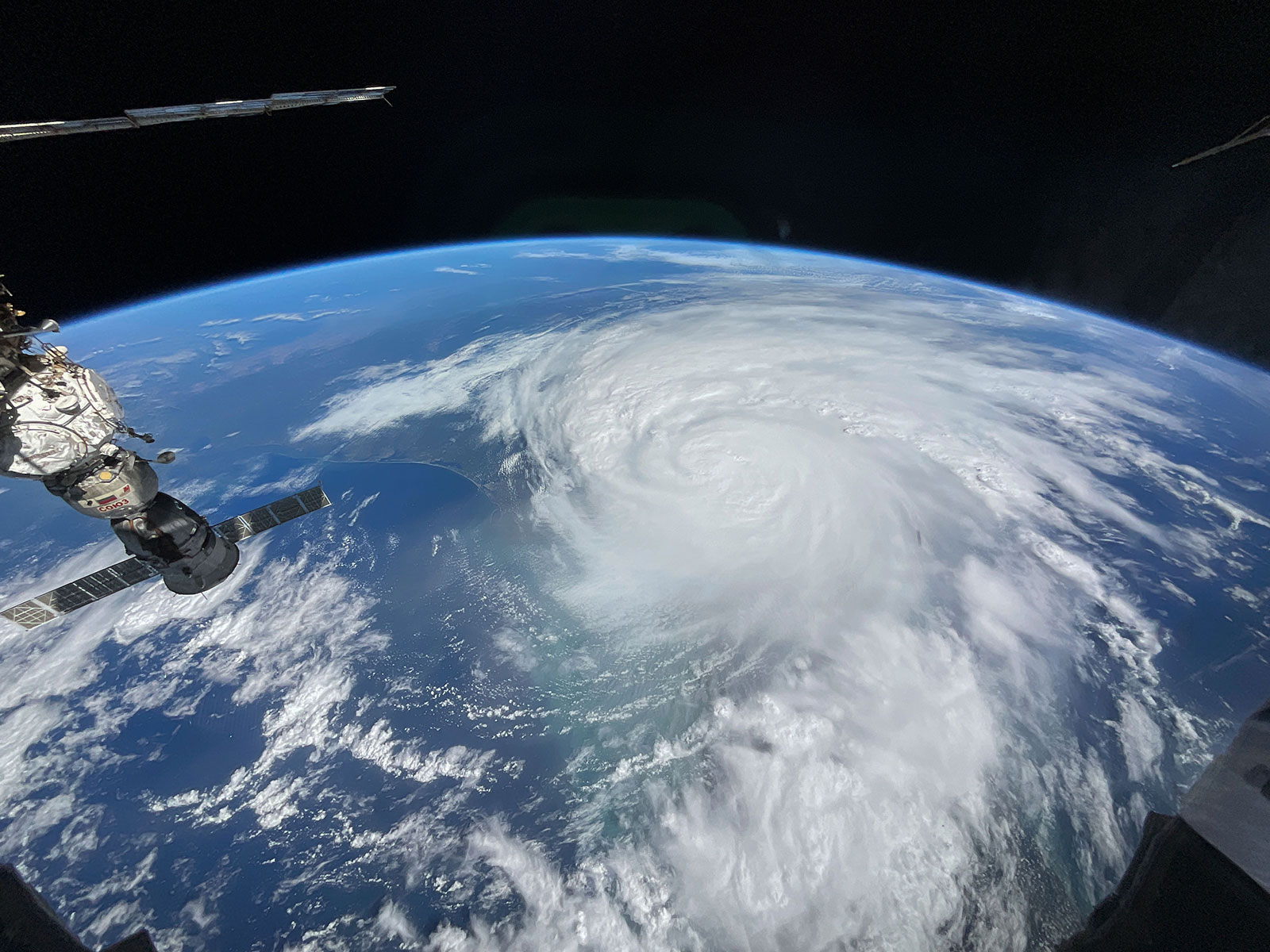
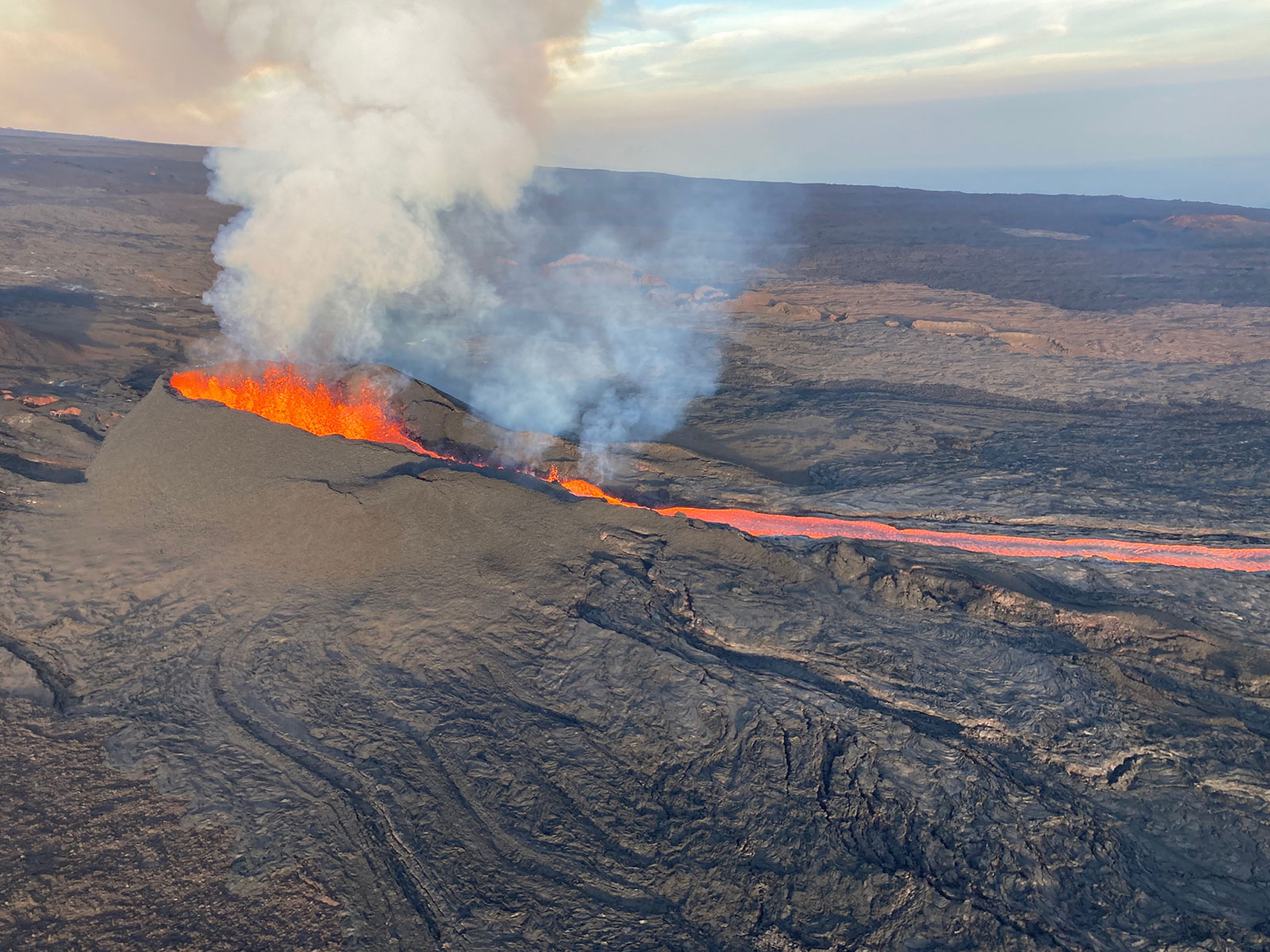
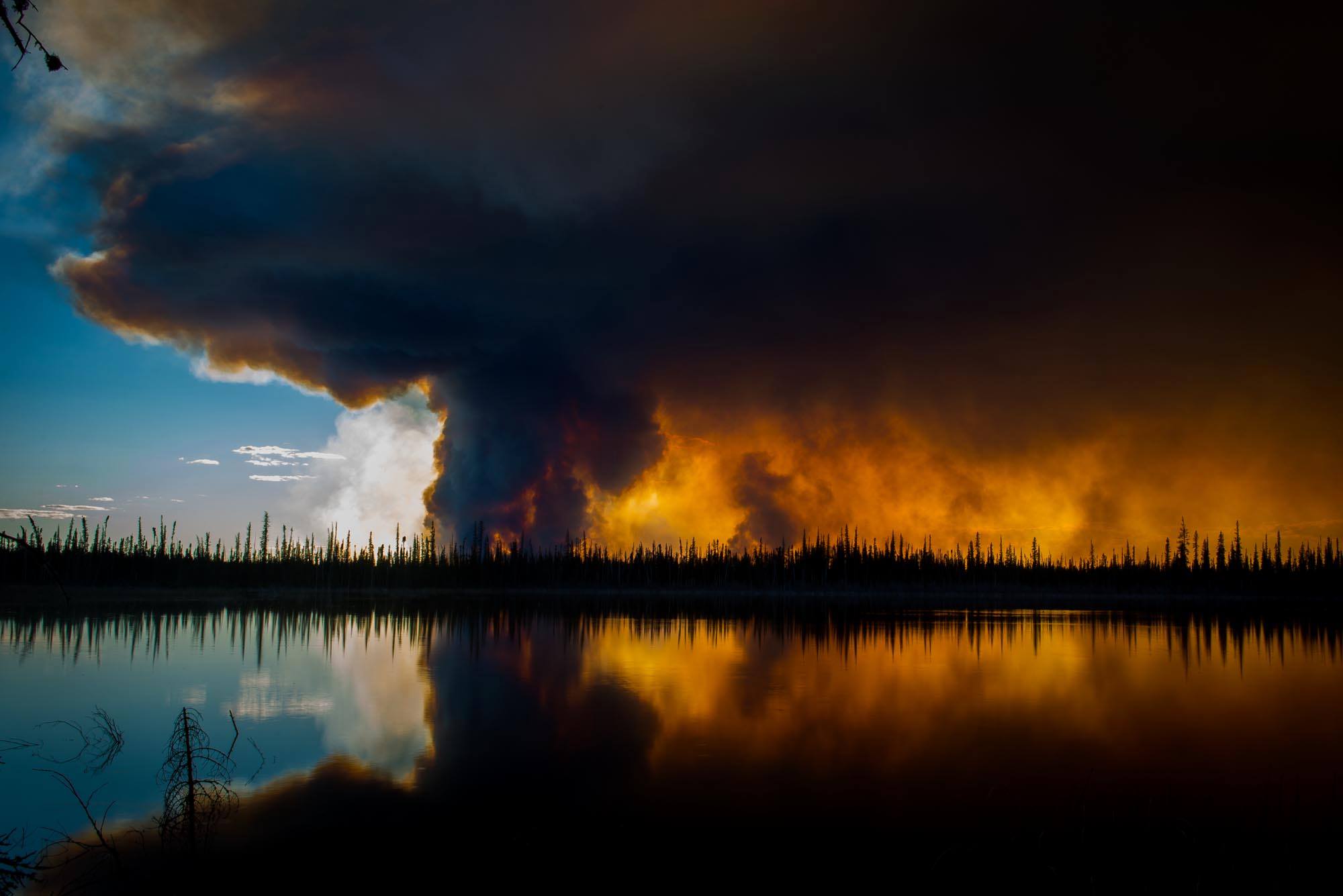
Natural hazards such as wildfires, floods, and hurricanes are increasing in both frequency and intensity, creating far-reaching economic, social, and environmental impacts. Preparing future generations to understand and respond to these challenges is a pressing global need.
Because natural hazards involve Earth systems that are vast in scale and complexity, they cannot be directly investigated by students in classrooms. Simulations provide a unique learning opportunity to bridge this gap. With simulations, students can design scenarios, observe phenomena, explore causal relationships, and make predictions—gaining insights into dynamic processes that might otherwise remain inaccessible. However, students often struggle to use simulations effectively, limiting the variety and depth of their inquiry.
The Intelligent Simulation-based Learning About Natural Disasters (ISLAND) project addresses this challenge by designing simulation-based learning with intelligent support based on advanced AI technologies including machine learning, data analytics, and large language models. At the center of this work is Hazbot, a personalized automated feedback system designed to scaffold students’ scientific inquiry into natural hazards.
Hazbot features a two-tier design. The student tier provides real-time, context-sensitive feedback to help students set up simulations, analyze and interpret results, and construct evidence-based explanations, while the teacher tier synthesizes feedback and student progress data into actionable insights, enabling teachers to monitor inquiry, identify common challenges, and tailor instruction. Hazbot will be integrated into simulation tasks featured in the wildfire, flood, and hurricane modules developed by our GeoHazard project.
Through ISLAND, we aim to generate critical insights into how AI can be designed to uphold disciplinary standards, systematically scaffold diverse learners’ inquiry, and enhance teachers’ instructional expertise—ultimately preparing students to think critically and act effectively in the face of natural hazards.
Research
Project research will proceed in two phases. In Phase I, Hazbot will be developed and integrated into our wildfire, flood, and hurricane modules. In Phase II, a randomized controlled trial will include 72 teachers and their students to evaluate the effect of Hazbot on student learning outcomes.
The following research questions will guide the design of Hazbot and the randomized controlled trial:
- How does Hazbot’s automated scoring represent students’ simulation-based inquiry?
- How does Hazbot feedback support students’ simulation-based inquiry—such as collecting, analyzing, and interpreting data, and constructing arguments—within individual tasks and across multiple tasks?
- What combinations of teacher facilitation and automated feedback best support students’ simulation-based scientific inquiry?
- What is the impact of Hazbot-integrated modules on student learning?