Category: Focus Area: Data Science Education

In collaboration with James Madison University, Mapping Time is developing and studying novel software for high school students enrolled in the Geospatial Semester program to explore time-based geospatial data.
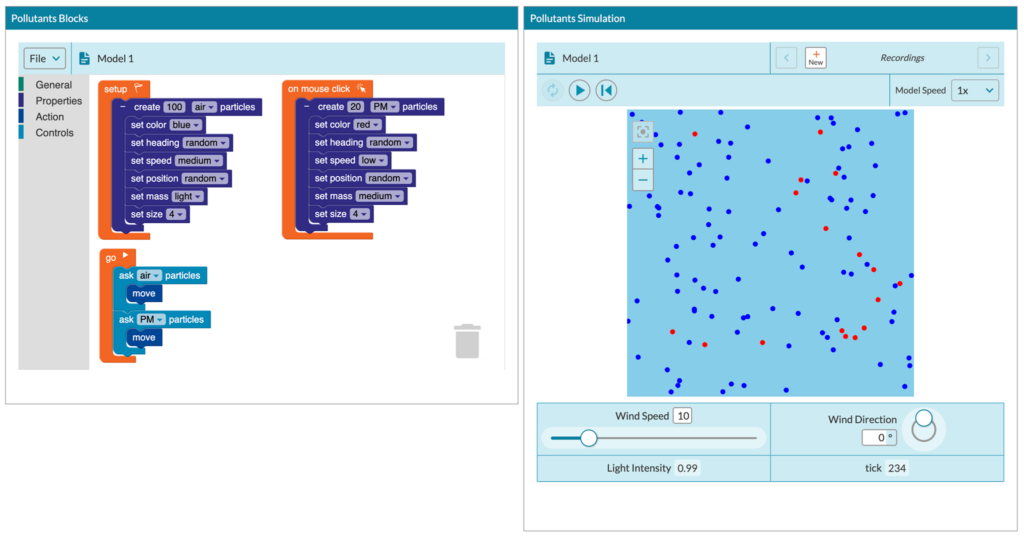
In partnership with the University of California, Berkeley and Teachers College, Columbia University, we are combining data exploration in CODAP with ABM in MoDa to support students to reason about patterns underlying phenomena.

In partnership with the University of Maryland and the University of North Carolina at Chapel Hill, DataGOAT supports athletes in conducting in-depth data analysis and exploration of their data using CODAP.
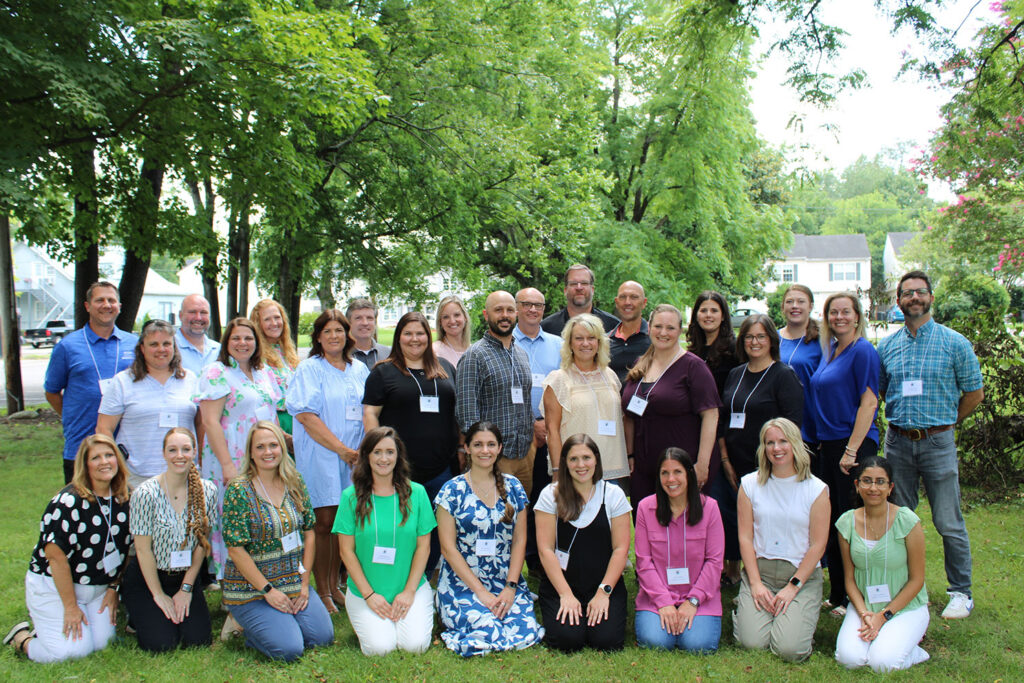
In partnership with Middle Tennessee State University, we are developing a master’s plus program that integrates coursework in leadership and data science education. LEADS is designed to develop teacher competency, recognition, belonging, and identity.
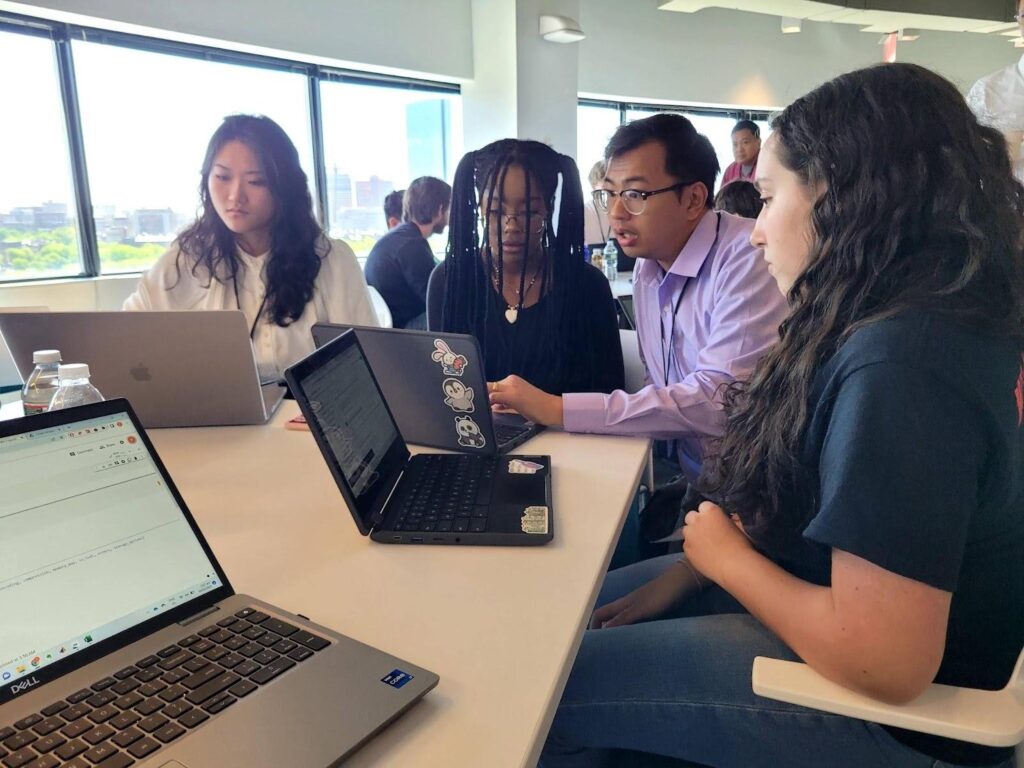
We’re developing an innovative curriculum and datathon aimed at preparing women and minorities to become engineers, researchers, and healthcare professionals who write algorithms, design research methods, and collect data, ultimately reducing bias in AI and medical databases.

We are addressing the critical need for accessible data science tools in K-12 education by developing a plugin for CODAP that will utilize an AI-powered assistant to facilitate sensemaking with data for blind and low-vision students.

We are working to develop the CODAP ecosystem by engaging user communities, refining development infrastructure, establishing effective governance models, and exploring sustainability options to ensure CODAP’s future.

In collaboration with the University of Florida, Texas Tech University, WestEd, and Florida Virtual School, this project is developing and researching a supplemental program for students to explore AI concepts in connection with their math course.

In collaboration with Carnegie Mellon University and North Carolina State University, we are designing and researching curriculum modules for secondary math, English language arts, and history to incorporate AI education across the curriculum.

In collaboration with James Madison University and Northwestern University, we are investigating how learners make sense of spatiotemporal data and how technology-based affordances can support learners in understanding and analyzing spatiotemporal data.